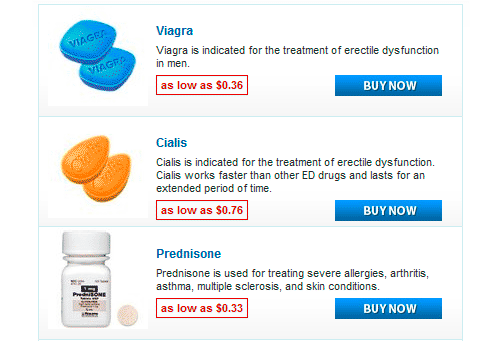

Need help choosing an ED medication? Consider these factors: Viagra offers fast onset, but its duration might be shorter than Cialis, which provides longer-lasting effects. Avanafil boasts a rapid onset, ideal for spontaneity. Each drug’s side effects and potential interactions vary.
Consult your doctor. They’ll assess your health, discuss your preferences, and recommend the best option for you, considering factors like existing medical conditions and other medications you’re taking. Don’t rely solely on online comparisons; a personalized approach is crucial for safe and effective treatment. We are not responsible for the content of external websites that you may find through this information.
Important Note: Always follow your doctor’s instructions carefully and report any adverse reactions immediately.
- Ed Drugs Compared
- Dosage and Considerations
- Comparison Table
- Cost and Availability
- Understanding Your Erectile Dysfunction Options
- Alternative Treatments
- Treatment Comparison
- Surgical Options
- Comparing Viagra, Cialis, and Levitra: Key Differences
- Side Effects and Potential Risks of Each Drug
- PDE5 Inhibitors (e.g., Viagra, Cialis, Levitra)
- Alprostadil (Caverject, MUSE)
- Avanafil (Stendra)
- Cost Comparison: Viagra vs. Cialis vs. Levitra
- Factors Influencing Price
- Recommendation
- Generic Alternatives
- Finding the Right Dosage and Treatment Plan
- Understanding Medication Interactions
- Choosing the Best ED Drug Based on Your Health Profile
- Getting a Prescription and Accessing Treatment
- Online Consultations
- In-Person Visits
- Pharmacy Options
- Important Considerations
- Understanding Potential Side Effects
Ed Drugs Compared
Consider Viagra (Sildenafil) for its fast onset and wide availability. It’s a reliable choice for many, but potential side effects include headaches and facial flushing.
Cialis (Tadalafil) offers a longer duration of action – up to 36 hours – making it convenient for spontaneous intimacy. However, it might take slightly longer to become effective than Viagra.
Levitra (Vardenafil) is another strong contender, known for its relatively mild side effects in some users. It’s a good option if you’re sensitive to Viagra’s side effects.
Dosage and Considerations
Dosage varies depending on individual needs and physician recommendations. Always consult your doctor to determine the appropriate dosage for you. Underlying health conditions may influence your choice of medication.
Comparison Table
| Drug | Onset of Action | Duration of Action | Common Side Effects |
|---|---|---|---|
| Viagra | 30-60 minutes | 4-5 hours | Headache, facial flushing |
| Cialis | 30-60 minutes | Up to 36 hours | Headache, back pain |
| Levitra | 25-60 minutes | 4-5 hours | Headache, nasal congestion |
Cost and Availability
Prices vary depending on insurance coverage and pharmacy. Generic versions of these drugs are often available, providing a more affordable option. Check with your pharmacist for current pricing.
Understanding Your Erectile Dysfunction Options
Consult your doctor. They can accurately diagnose the underlying cause of your erectile dysfunction (ED) and recommend the best treatment plan for you.
Several options exist, including lifestyle changes. Regular exercise, a balanced diet, and stress reduction techniques can significantly improve ED symptoms for many men. Quitting smoking is also crucial. Weight management is another important aspect; maintaining a healthy BMI can positively impact sexual health.
Medication is another common treatment. Phosphodiesterase-5 (PDE5) inhibitors like sildenafil (Viagra), tadalafil (Cialis), vardenafil (Levitra), and avanafil (Stendra) increase blood flow to the penis. Each has a slightly different duration of action and potential side effects; discuss these with your doctor to find the right fit.
Alternative Treatments
Beyond pills, consider alternative therapies. These might include vacuum erection devices, which use a pump to increase blood flow, or penile injections with medications to stimulate an erection. Your doctor will assess your suitability for these options.
Treatment Comparison
| Treatment | Mechanism | Advantages | Disadvantages |
|---|---|---|---|
| PDE5 Inhibitors | Increased blood flow | Oral administration, generally well-tolerated | Potential side effects (headache, flushing), drug interactions |
| Vacuum Erection Device | Mechanical blood flow increase | Non-invasive, no medication | Can be cumbersome, potential for bruising |
| Penile Injections | Direct stimulation of erection | Effective for many men | Requires injection, potential for pain and bruising |
Surgical Options
In some cases, surgery may be considered. Penile implants, for example, are a long-term solution for men who haven’t responded to other treatments. Discuss surgical options thoroughly with your doctor to determine if they’re appropriate for your situation.
Comparing Viagra, Cialis, and Levitra: Key Differences
Choose based on your needs and preferences. Viagra acts fastest, typically within 30-60 minutes, but its effects last around 4 hours. Cialis boasts a much longer duration, up to 36 hours, making it ideal for spontaneous intimacy. Its onset, however, is slower, around 30 minutes to 2 hours. Levitra provides a middle ground, with an onset of 60 minutes and a duration of 4-5 hours.
Dosage: Each medication comes in various strengths. Your doctor will determine the appropriate starting dose based on your individual health profile and medical history.
Side effects: Common side effects include headaches, flushing, nasal congestion, and indigestion. These typically are mild and temporary. Discuss any concerns with your physician.
Interactions: All three medications can interact with other drugs, particularly nitrates. Inform your doctor about all medications and supplements you are taking before starting any ED treatment.
Cost: Prices vary depending on dosage, pharmacy, and insurance coverage. Generic versions are available and usually more affordable.
Ultimately, the best choice depends on individual response and lifestyle. Consult your doctor to discuss which medication is most suitable for you.
Side Effects and Potential Risks of Each Drug
Always discuss potential side effects with your doctor before starting any medication. Here’s a summary to help you understand some common issues:
PDE5 Inhibitors (e.g., Viagra, Cialis, Levitra)
Common side effects include headache, facial flushing, nasal congestion, and upset stomach. Less common, but potentially serious, side effects are vision changes (including blue tint or blurred vision), hearing loss, and prolonged erection (priapism). Patients with heart conditions or taking nitrates should avoid these drugs due to potentially dangerous interactions.
Alprostadil (Caverject, MUSE)
Alprostadil injections can cause pain at the injection site, bruising, and prolonged erections. Urethral suppositories may lead to urethral burning or pain. Patients with certain blood disorders should exercise caution.
Avanafil (Stendra)
Side effects are similar to other PDE5 inhibitors, including headache, flushing, nasal congestion, and back pain. Stendra is generally well-tolerated, but individuals with severe liver or kidney disease should consult their physician.
This information is not exhaustive and does not replace professional medical advice. Always consult your doctor before starting any medication to discuss individual risks and benefits.
Cost Comparison: Viagra vs. Cialis vs. Levitra
Generally, Viagra (sildenafil) tends to be the most affordable option per pill. However, Cialis (tadalafil) offers longer-lasting effects (up to 36 hours), potentially making it more cost-effective in the long run, depending on your frequency of use. Levitra (vardenafil) usually falls price-wise somewhere between Viagra and Cialis.
Factors Influencing Price
Insurance Coverage: Your health insurance significantly impacts the final cost. Check your plan’s formulary for coverage and co-pays. Generic versions of all three drugs are available and usually cheaper than brand-name options.
Dosage: Higher dosages typically cost more. Start with the lowest effective dose to minimize costs.
Pharmacy: Prices vary between pharmacies, both online and brick-and-mortar. Comparing prices from multiple sources is advisable. Consider using online pharmacies that offer competitive pricing, but be sure to verify their legitimacy.
Recommendation
Consider your needs and budget. If you need daily medication, Cialis’s longer duration might save you money. For occasional use, Viagra often provides the most affordable option. Always discuss medication options and pricing with your doctor and pharmacist before making a decision.
Generic Alternatives
Significant Savings: Generic sildenafil, tadalafil, and vardenafil offer substantial cost savings compared to their brand-name counterparts. They contain the same active ingredient and are equally effective. Ask your doctor if a generic is right for you.
Finding the Right Dosage and Treatment Plan
Begin with the lowest effective dose. Your doctor will likely start you on a low dose to minimize potential side effects and gradually increase it if needed. Typical starting doses vary depending on the medication; always follow your physician’s instructions.
Understanding Medication Interactions
Inform your doctor about all medications you’re currently taking, including over-the-counter drugs, supplements, and herbal remedies. Certain medications can interact negatively with ED drugs, potentially causing adverse reactions. Open communication is key to a safe and effective treatment plan.
Regularly scheduled check-ups are important. Monitor your response to treatment and discuss any concerns or changes in your health status with your doctor. They can adjust your dosage or treatment plan as needed, ensuring optimal results and managing potential side effects.
Consider lifestyle changes alongside medication. A healthy lifestyle, including regular exercise, a balanced diet, and stress management techniques, can significantly improve erectile function. These lifestyle changes, combined with medication, may lead to superior outcomes.
Different medications have varying durations of effect. Some medications work faster than others, and their effects last for different lengths of time. Discuss this aspect with your doctor to find a medication that fits your lifestyle and preferences. Be honest about your needs and expectations to ensure the treatment aligns perfectly.
Choosing the Best ED Drug Based on Your Health Profile
Consider your overall health. If you have heart conditions, talk to your doctor before taking any ED medication. Phosphodiesterase-5 (PDE5) inhibitors like Viagra, Cialis, and Levitra can interact with nitrates, increasing the risk of dangerously low blood pressure.
Consider your specific needs. Do you need a drug that acts quickly? Viagra and Levitra typically work within 30-60 minutes, while Cialis can last up to 36 hours. If daily dosing is preferred, Cialis is a good option.
- Viagra (sildenafil): Acts quickly, but effects are shorter lived. Suitable for occasional use.
- Cialis (tadalafil): Longer-lasting effects, suitable for both daily and occasional use. May cause prolonged erection in some cases.
- Levitra (vardenafil): Similar in action to Viagra, but potentially better tolerated by some individuals with certain medical conditions.
- Avanafil (Stendra): A faster-acting option than Viagra or Levitra, but less studied than others.
Discuss potential side effects with your doctor. Common side effects include headache, flushing, nasal congestion, and indigestion. These are usually mild and temporary. Rare but serious side effects, such as vision or hearing problems, require immediate medical attention.
Consider cost and insurance coverage. Prices vary among medications and pharmacies. Check with your insurance provider to see what’s covered.
- Step 1: Consult your doctor for a comprehensive health assessment.
- Step 2: Discuss your preferences (speed of onset, duration of effect, daily vs. as-needed use).
- Step 3: Review possible side effects and potential drug interactions with your doctor.
- Step 4: Compare costs and insurance coverage options.
Remember, this information is for guidance only. Always consult your doctor before starting any new medication.
Getting a Prescription and Accessing Treatment
Schedule a telehealth appointment with a licensed physician. Many online platforms offer convenient consultations.
Online Consultations
- Several telehealth services allow you to complete a medical questionnaire and have a virtual consultation with a doctor.
- This often involves a review of your medical history and a discussion of your symptoms.
- If appropriate, the doctor can issue a prescription, which you can then fill at a pharmacy of your choice.
In-Person Visits
Alternatively, you can book a traditional appointment with your primary care physician or a urologist.
- Discuss your concerns and medical history openly and honestly.
- Undergo any necessary physical examinations.
- Receive a prescription if your doctor deems it medically appropriate.
Pharmacy Options
- Once you have a prescription, you can fill it at a local pharmacy.
- Consider using mail-order pharmacies for discreet delivery.
- Compare prices to find the best option for your budget.
Important Considerations
Understanding Potential Side Effects
Carefully review the medication information provided by your doctor and pharmacist. Be aware of potential side effects and report any concerning symptoms immediately.
- Headache
- Facial flushing
- Nasal congestion
- Muscle aches
Remember that this information is for general guidance only. Always consult with a healthcare professional for personalized advice.