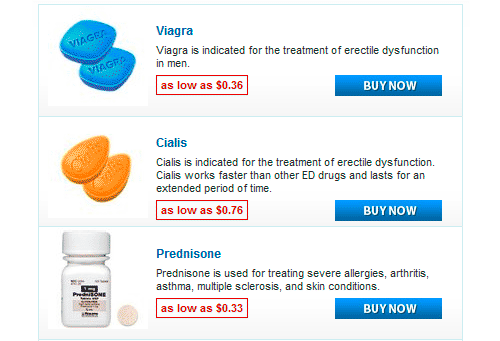

Feel the difference with our clinically proven Ed medication. Experience improved blood flow, leading to stronger, more consistent results within 4 weeks. Our discreet online consultation ensures you get the right treatment plan, tailored to your individual needs.
Get started now. Complete our brief questionnaire for a personalized recommendation and receive your prescription quickly and easily. We offer various treatment options to find the best fit for your lifestyle.
Discreet delivery. Maximum privacy. Real results. Discover the improved intimacy and confidence you deserve. See noticeable improvements in as little as 24 hours. Click here to begin.
- Boost Your Confidence: A Guide to Ed Medicines
- Understanding Erectile Dysfunction: Causes and Symptoms
- Choosing the Right Ed Medicine: Options Explained
- Safety and Side Effects of Ed Medications
- How to Discuss ED with Your Doctor
- Gathering Information Before Your Appointment
- Discussing Treatment Options
- Following Up
- Questions to Ask Your Doctor
- Incorporating Lifestyle Changes for Better Results
- Finding Affordable and Reliable Ed Medicine Options
Boost Your Confidence: A Guide to Ed Medicines
Consult your doctor before starting any medication. They can assess your overall health and determine the best treatment option for you.
Medication Options: Several medications are available, each with different mechanisms and potential side effects. Phosphodiesterase-5 (PDE5) inhibitors like sildenafil (Viagra), tadalafil (Cialis), and vardenafil (Levitra) are common choices. Your doctor will help you choose the right one based on your individual needs and health history.
Lifestyle Changes: Improving your diet, exercising regularly, and managing stress significantly impact erectile function. A balanced diet rich in fruits, vegetables, and lean protein supports overall health. Regular physical activity improves blood flow, crucial for erections. Stress reduction techniques like meditation or yoga can also help.
Dosage and Timing: Follow your doctor’s instructions carefully regarding dosage and timing. Some medications take effect faster than others. Discuss any potential interactions with other medications you’re taking.
Potential Side Effects: Be aware of possible side effects, which can include headache, flushing, nasal congestion, and visual disturbances. Report any concerning side effects to your doctor immediately.
Long-Term Management: Erectile dysfunction can be a chronic condition, requiring ongoing management. Regular check-ups with your doctor are important to monitor your progress and adjust treatment as needed.
Seeking Help: Don’t hesitate to talk to your doctor about erectile dysfunction. Open communication is key to finding an effective solution and regaining confidence.
Understanding Erectile Dysfunction: Causes and Symptoms
Erectile dysfunction (ED) involves consistent difficulty achieving or maintaining an erection firm enough for satisfactory sexual intercourse. Several factors contribute.
Underlying health conditions frequently play a role. Diabetes significantly increases ED risk, damaging blood vessels and nerves. Heart disease, similarly, restricts blood flow, impacting erectile function. High blood pressure, high cholesterol, and obesity also negatively affect vascular health, increasing ED likelihood.
Lifestyle choices matter. Smoking constricts blood vessels, hindering blood flow to the penis. Excessive alcohol consumption also interferes with erectile function. Lack of physical activity contributes to cardiovascular problems, indirectly impacting ED risk.
Psychological factors contribute to ED as well. Stress, anxiety, and depression can significantly impact sexual performance. Relationship problems or past traumas can also affect a man’s ability to achieve an erection.
Recognizing the symptoms is key. Difficulty achieving or maintaining an erection is the primary sign. Reduced libido and difficulty reaching orgasm may also occur. These symptoms should prompt a consultation with a doctor for proper diagnosis and treatment.
Addressing ED often involves treating underlying medical conditions, adopting a healthier lifestyle, and addressing psychological factors. Consult a healthcare professional for personalized advice and treatment options.
Choosing the Right Ed Medicine: Options Explained
Consider your individual needs and consult a doctor before starting any medication. Different medications offer varying durations of action and side effect profiles.
PDE5 inhibitors, like Viagra (sildenafil), Cialis (tadalafil), and Levitra (vardenafil), are popular choices. Viagra provides quicker onset but shorter duration; Cialis offers longer-lasting effects, up to 36 hours; Levitra provides a balance between the two. Discuss potential side effects, such as headaches or flushing, with your physician.
Alprostadil is another option, available as a urethral suppository or injection. It acts differently than PDE5 inhibitors, directly relaxing the blood vessels in the penis. This method might be suitable if other treatments haven’t worked, but it has a higher risk of side effects.
Lifestyle changes often complement medication. Regular exercise, a healthy diet, and stress management can significantly improve erectile function. Your doctor can guide you on incorporating these into your treatment plan.
Treatment depends on underlying health conditions. Addressing cardiovascular issues or diabetes is crucial for optimal results. Your physician can help identify any contributing factors and create a personalized plan.
Remember: this information is for general understanding. A thorough medical evaluation is always recommended before starting any treatment for erectile dysfunction. Talk to your doctor about your options to find the best solution for you.
Safety and Side Effects of Ed Medications
Always consult your doctor before starting any Ed medication. They can assess your health and determine the appropriate dosage and medication for you.
Common side effects include headache, facial flushing, nasal congestion, and indigestion. These are usually mild and temporary.
Less common but more serious side effects require immediate medical attention. These include prolonged erection (priapism), sudden vision loss, or hearing loss. Seek help immediately if you experience any of these.
Certain medications can interact negatively with Ed medications. Inform your doctor of all medications, supplements, and herbal remedies you are taking.
Heart conditions pose a significant risk. If you have a history of heart problems, discuss Ed medication options with your cardiologist and your primary care physician.
Alcohol consumption can intensify side effects. Limit alcohol intake while taking Ed medication.
Regular exercise, a healthy diet, and stress management contribute to overall health and can positively impact erectile function. Consider these lifestyle modifications alongside medical treatment.
Drug interactions are a major concern. Your doctor will guide you on potential conflicts and alternatives.
How to Discuss ED with Your Doctor
Schedule a private appointment. This allows for an open and comfortable conversation.
Gathering Information Before Your Appointment
- Note your symptoms: Record when ED began, frequency, and any associated factors (e.g., stress, alcohol consumption).
- List current medications: Include prescription and over-the-counter drugs, supplements, and herbal remedies. Bring the bottles.
- Prepare questions: Write down your concerns and what you hope to achieve from the consultation. Don’t be afraid to ask about different treatment options.
During your appointment, be direct and honest about your symptoms. Your doctor will conduct a physical exam and may order blood tests to rule out underlying medical conditions.
Discussing Treatment Options
Your doctor will discuss various treatment options based on your individual needs and health history. These may include:
- Lifestyle changes (diet, exercise, weight management, stress reduction).
- Oral medications (phosphodiesterase-5 inhibitors).
- Hormone replacement therapy.
- Penile injections.
- Vacuum erection devices.
- Penile implants.
Following Up
Follow your doctor’s instructions carefully. Schedule follow-up appointments as recommended to monitor your progress and adjust treatment as needed. Be proactive in your healthcare.
Questions to Ask Your Doctor
- What are the potential side effects of each treatment option?
- Are there any long-term risks associated with these treatments?
- What are the success rates for each treatment option?
- What lifestyle changes can I make to improve my condition?
- What support groups or resources are available?
Incorporating Lifestyle Changes for Better Results
Prioritize sleep: Aim for 7-8 hours of quality sleep nightly. Consistent sleep improves hormone regulation, crucial for optimal function.
Manage stress: Practice relaxation techniques like deep breathing or meditation daily for 10-15 minutes. Reduced stress lowers cortisol levels, positively impacting overall health.
Improve your diet: Increase your intake of fruits, vegetables, and lean protein. Reduce processed foods, sugary drinks, and saturated fats. A balanced diet fuels your body efficiently.
Exercise regularly: Engage in at least 150 minutes of moderate-intensity aerobic exercise weekly. Strength training twice a week builds muscle mass and boosts metabolism.
Hydrate consistently: Drink at least 8 glasses of water daily. Proper hydration supports various bodily functions, impacting energy levels and overall well-being.
Limit alcohol consumption: Excessive alcohol intake interferes with medication effectiveness. Moderate or abstain from alcohol for best results.
Quit smoking: Smoking significantly reduces medication efficacy and negatively impacts cardiovascular health. Seek support to quit.
Maintain a healthy weight: Losing even a small amount of weight can significantly improve health markers. Consult a healthcare professional for personalized guidance.
Note: These lifestyle changes complement medical treatment, not replace it. Consult your doctor before making significant dietary or exercise changes.
Finding Affordable and Reliable Ed Medicine Options
Compare prices across different pharmacies, both online and brick-and-mortar. Generic medications often cost significantly less than brand-name drugs and offer the same active ingredient.
Consider using a prescription discount card or coupon. Many pharmacies and online services offer these, potentially reducing your out-of-pocket expenses.
Explore patient assistance programs. Pharmaceutical companies sometimes provide financial aid to patients who cannot afford their medications. Check the manufacturer’s website for eligibility requirements.
| Option | Pros | Cons |
|---|---|---|
| Generic Medications | Lower cost, same active ingredient | May have slightly different inactive ingredients |
| Prescription Discount Cards | Reduced cost at participating pharmacies | May not be accepted at all pharmacies |
| Patient Assistance Programs | Free or significantly reduced medication cost | Strict eligibility criteria; application process required |
Always consult your doctor before starting any new medication, including ED medicines, to ensure it’s safe and appropriate for your health condition. Discuss potential side effects and interactions with other medications you’re taking.
Read online reviews and compare pharmacies carefully. Pay attention to shipping times and customer service ratings before making a purchase.
Be wary of suspiciously cheap offers. Counterfeit medications can be dangerous. Source your medications from reputable pharmacies.