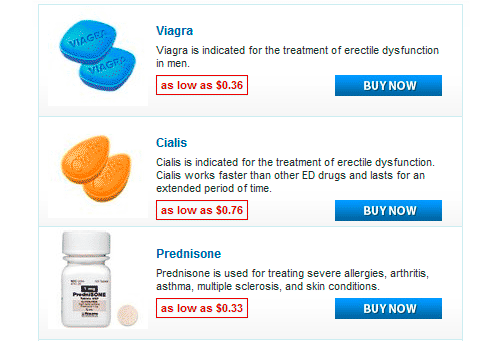

Experience improved erectile function with Tadalafil, a clinically proven medication. Enjoy longer-lasting intimacy and increased spontaneity. We offer discreet, convenient online consultations and next-day delivery.
Consult our licensed physicians for a personalized treatment plan tailored to your needs. We prioritize your safety and satisfaction, offering clear, transparent information about dosage, potential side effects, and drug interactions. Our secure platform protects your privacy.
Get back to enjoying life to the fullest. Complete our quick online health assessment to see if Tadalafil is right for you. Take control and reclaim your sexual health. Discreet packaging ensures your privacy.
- Erectile Dysfunction Drugs: A Detailed Plan
- Understanding Erectile Dysfunction: Common Causes and Symptoms
- Common Causes
- Common Symptoms
- Choosing the Right Erectile Dysfunction Treatment: A Personalized Approach
- Medication Options for Erectile Dysfunction: Weighing the Benefits and Risks
- Beyond Medication: Lifestyle Changes to Improve Erectile Function
- Addressing Underlying Health Conditions
- Understanding Alcohol and Sleep
- Erectile Dysfunction and Your Relationship: Open Communication and Support
- Addressing Concerns Together
- Building Intimacy and Connection
- Seeking Professional Help
- Maintaining a Positive Outlook
- Addressing Side Effects: Managing Potential Complications of Erectile Dysfunction Drugs
- Finding a Qualified Healthcare Provider: Your First Step to Treatment
Erectile Dysfunction Drugs: A Detailed Plan
Consult your doctor. A thorough physical exam and discussion of your medical history are crucial for determining the best course of action. This includes discussing any existing conditions like heart disease or high blood pressure.
Discuss treatment options. Your doctor will explain various ED drug types (like PDE5 inhibitors such as Viagra, Cialis, or Levitra) and their potential side effects. They’ll also consider alternative treatments if necessary, such as lifestyle changes or injections.
Follow prescribed dosage. Never exceed the recommended dosage. Taking more than prescribed won’t improve results and could increase the risk of side effects.
Manage potential side effects. Common side effects include headaches, flushing, and nasal congestion. Discuss these with your doctor; they can suggest strategies for managing discomfort.
Monitor your progress. Schedule follow-up appointments with your doctor to track your response to treatment and make adjustments if needed. Open communication is key.
Lifestyle modifications. Maintain a healthy weight, exercise regularly, and eat a balanced diet. These changes often significantly improve ED symptoms.
Address underlying health issues. ED can be a symptom of other conditions like diabetes or high cholesterol. Treating these underlying problems is vital for long-term ED management.
Consider counseling. Psychological factors can contribute to ED. A therapist can help address performance anxiety or relationship issues that may be contributing factors.
Be patient. Finding the right treatment and managing ED often requires time and persistence. Don’t get discouraged if you don’t see immediate results.
Understanding Erectile Dysfunction: Common Causes and Symptoms
Erectile dysfunction (ED) is the inability to achieve or maintain an erection firm enough for satisfactory sexual intercourse. Addressing it requires understanding its root causes.
Common Causes
- Vascular Disease: Conditions like high blood pressure, high cholesterol, and atherosclerosis reduce blood flow to the penis, hindering erections. Regular checkups and managing these conditions are key.
- Diabetes: High blood sugar levels damage nerves and blood vessels, affecting erectile function. Strict blood sugar control is crucial.
- Neurological Disorders: Conditions impacting the nervous system, such as multiple sclerosis or Parkinson’s disease, can interfere with nerve signals needed for erections. Managing these conditions is paramount.
- Hormonal Imbalances: Low testosterone levels can significantly impact libido and erectile function. A simple blood test can determine testosterone levels.
- Psychological Factors: Stress, anxiety, depression, and relationship issues can contribute to ED. Therapy and stress management techniques can help.
- Lifestyle Choices: Smoking, excessive alcohol consumption, and obesity negatively impact cardiovascular health and contribute to ED. Adopting a healthy lifestyle is beneficial.
- Medications: Some medications, such as antidepressants and blood pressure drugs, can cause ED as a side effect. Discuss this with your doctor.
Common Symptoms
- Difficulty achieving an erection.
- Inability to maintain an erection during intercourse.
- Decreased libido or sexual desire.
- Difficulty reaching orgasm.
If you experience these symptoms, consult a healthcare professional. Early diagnosis and treatment can significantly improve your quality of life.
Choosing the Right Erectile Dysfunction Treatment: A Personalized Approach
Begin by honestly assessing your lifestyle. Regular exercise, a balanced diet, and stress management significantly impact erectile function. Consider these factors before medication.
Oral medications like Viagra, Cialis, and Levitra offer convenient options. Viagra acts quickly but has a shorter duration; Cialis provides longer-lasting effects; Levitra offers a middle ground. Discuss potential side effects with your doctor.
If oral medications aren’t suitable, explore alternatives. Penile injections, vacuum erection devices, or penile implants provide effective solutions, though they require medical supervision and may involve more invasive procedures. Your doctor can help you weigh the pros and cons.
Hormone therapy may be beneficial for men with low testosterone levels contributing to erectile dysfunction. Blood tests can determine if this is the appropriate treatment path.
Lifestyle changes often complement medical treatments. Quitting smoking, limiting alcohol consumption, and addressing underlying health conditions like diabetes or heart disease can dramatically improve results.
Schedule a consultation with a urologist or other healthcare professional specializing in men’s health. They’ll conduct a thorough evaluation, discuss your medical history, and recommend the most appropriate treatment strategy tailored to your individual needs and preferences. Open communication is key.
Medication Options for Erectile Dysfunction: Weighing the Benefits and Risks
Consult your doctor to determine the best course of treatment. They can assess your overall health and discuss various medication options suitable for your individual needs.
Common medications include:
- Phosphodiesterase-5 (PDE5) inhibitors: These drugs, such as sildenafil (Viagra), tadalafil (Cialis), vardenafil (Levitra), and avanafil (Stendra), increase blood flow to the penis. They’re generally well-tolerated, but potential side effects include headaches, flushing, nasal congestion, and visual disturbances. The duration of effect varies significantly between medications.
- Alprostadil: This medication can be administered as an injection directly into the penis or as a urethral suppository. It works by relaxing the muscles and increasing blood flow. Side effects can include pain, bruising, and prolonged erection (priapism).
Before starting any medication, discuss potential drug interactions with your doctor, especially if you take nitrates for heart conditions. These interactions can be dangerous.
Consider these factors:
- Underlying health conditions: Certain medical issues, such as heart disease or diabetes, might influence medication choices and necessitate adjustments.
- Personal preferences: Some men prefer the speed of onset of one medication over another. Others might prefer a longer-lasting effect.
- Cost: Medication prices vary significantly.
- Side effects: Discuss any concerns about potential side effects with your physician.
Regular follow-up appointments are crucial to monitor treatment efficacy and adjust medication as needed. Open communication with your doctor ensures you receive the best possible care and achieve optimal results.
Beyond Medication: Lifestyle Changes to Improve Erectile Function
Prioritize regular exercise. Aim for at least 150 minutes of moderate-intensity aerobic activity weekly. This improves blood flow throughout your body, including the penis.
Maintain a healthy weight. Excess weight contributes to erectile dysfunction. Losing even a small amount of weight can make a noticeable difference. Consult your doctor for personalized weight loss guidance.
Quit smoking. Smoking damages blood vessels, hindering blood flow and impacting erectile function. Seek support to quit; many resources are available.
Improve your diet. Focus on fruits, vegetables, and lean proteins. Limit processed foods, saturated fats, and excessive sugar. A balanced diet supports overall health and well-being.
Manage stress. Chronic stress negatively impacts sexual health. Incorporate stress-reduction techniques like meditation, yoga, or spending time in nature.
Addressing Underlying Health Conditions
Consult your doctor to address any underlying health problems like diabetes, high blood pressure, or high cholesterol, which often contribute to erectile dysfunction. Early diagnosis and management are key.
Understanding Alcohol and Sleep
Moderate alcohol consumption is generally acceptable, but excessive alcohol use can impair erectile function. Aim for moderation or abstinence.
Prioritize quality sleep. Aim for 7-8 hours of sleep nightly. Sleep deprivation negatively affects many bodily functions, including sexual health.
| Lifestyle Change | Impact on Erectile Function |
|---|---|
| Exercise | Improved blood flow |
| Weight Management | Reduced strain on circulatory system |
| Smoking Cessation | Improved vascular health |
| Healthy Diet | Overall health improvement |
| Stress Reduction | Reduced hormonal imbalances |
| Addressing Underlying Conditions | Treating root causes |
| Moderate Alcohol Consumption | Avoidance of excessive impairment |
| Adequate Sleep | Hormonal regulation |
Erectile Dysfunction and Your Relationship: Open Communication and Support
Talk openly with your partner. Sharing your concerns fosters understanding and reduces feelings of isolation.
Addressing Concerns Together
Schedule dedicated time for discussion. Focus on your feelings and needs, not blame. Actively listen to your partner’s perspective. Consider seeking couples counseling; a therapist can provide guidance and tools for effective communication.
Building Intimacy and Connection
Explore alternative ways to express intimacy. Prioritize non-sexual physical affection: cuddling, holding hands, massages. Plan romantic dates focusing on connection rather than solely sexual performance. Remember that intimacy extends beyond the bedroom.
Seeking Professional Help
Consult a doctor to discuss treatment options for erectile dysfunction. A physician can help determine the underlying cause and recommend appropriate medical intervention or lifestyle changes. Don’t hesitate to seek a second opinion if needed. Open communication with your doctor about your concerns is key to effective treatment.
Maintaining a Positive Outlook
Focus on solutions, not problems. Celebrate small victories and progress in your relationship and treatment. Remember that erectile dysfunction is a common medical condition, and effective solutions exist. Maintaining a positive attitude strengthens your relationship and promotes healing.
Addressing Side Effects: Managing Potential Complications of Erectile Dysfunction Drugs
Headaches? Drink plenty of water and consider over-the-counter pain relievers like ibuprofen. If headaches are severe or persistent, contact your doctor.
Facial flushing? This is usually mild and temporary. Cool compresses can help. If it’s bothersome, discuss alternative medications with your physician.
Nasal congestion? Saline nasal spray may provide relief. Avoid decongestants unless directed by your doctor, as they can interact with some erectile dysfunction medications.
Muscle aches? Light exercise and rest usually help. Severe or persistent muscle pain requires medical attention.
Indigestion? Avoid large meals and fatty foods before taking medication. Take medication with a light snack. If persistent, consult your doctor.
Back pain? Maintain good posture, stretch regularly, and consider over-the-counter pain relievers. Consult your doctor if pain is severe or prolonged.
Vision changes? Stop taking the medication immediately and seek medical advice. This is a less common but serious side effect.
Prolonged erection (priapism)? This is a medical emergency. Seek immediate medical attention.
Remember, these are potential side effects, not all patients experience them. Always follow your doctor’s instructions and report any concerns promptly.
Finding a Qualified Healthcare Provider: Your First Step to Treatment
Begin by checking your insurance provider’s directory for urologists or men’s health specialists. Many offer online search tools.
Next, utilize online physician finders like the American Urological Association’s website or your country’s equivalent medical association site. These resources often list doctors’ specialties and patient reviews.
Read online reviews carefully, focusing on descriptions of the doctor’s communication style and patient experience. Look for consistent patterns in feedback, both positive and negative.
Schedule consultations with a few different providers. During the consultation, discuss your specific concerns and ask about their experience treating erectile dysfunction. Inquire about treatment options they offer.
Confirm the provider’s credentials. Verify their board certification and licensing status on your state’s medical board website. Check for any disciplinary actions or malpractice claims.
Choose a provider who listens attentively, answers your questions thoroughly, and makes you feel comfortable. A good rapport is crucial for successful treatment.