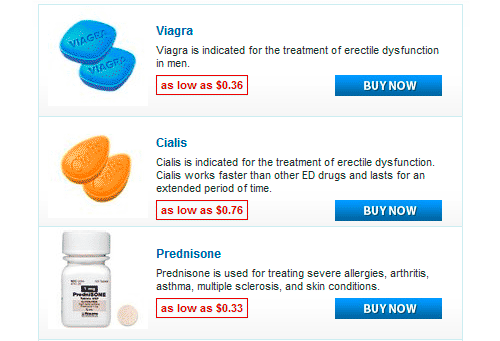

Compare Tadalafil, Sildenafil, and Vardenafil side-by-side. Our detailed comparison charts highlight key differences in onset, duration, and potential side effects, empowering you to make an informed decision.
Discover which drug best suits your lifestyle. We present clear, concise information, avoiding medical jargon. Learn about dosage options and potential interactions with other medications.
Access reputable sources and verified information. We link directly to FDA-approved drug information and clinical trial results, ensuring you receive accurate and reliable data. Navigate this important health decision with confidence.
Save time and avoid confusion. Our comparison tool streamlines the research process, providing the essential information you need without overwhelming detail.
- Erectile Dysfunction Drugs Comparison
- Sildenafil (Viagra)
- Tadalafil (Cialis)
- Vardenafil (Levitra)
- Avanafil (Stendra)
- Important Considerations
- Understanding Your ED Options: Viagra, Cialis, Levitra
- Dosage and Timing: Which Drug Suits Your Lifestyle?
- Daily Dosage Options
- Factors to Consider
- Consult Your Doctor
- Side Effects: A Detailed Comparison Across Medications
- Common Side Effects
- Less Common, but Serious Side Effects
- Cost Comparison: Finding the Best Value for Your Needs
- Which Drug is Right for You? A Personalized Approach
- Factors to Consider
- Addressing Underlying Health Conditions and ED
- Finding a Doctor and Getting a Prescription
- Telehealth Options
- In-Person Appointments
- Prescription Process
- Finding Affordable Options
Erectile Dysfunction Drugs Comparison
Choose the medication that best suits your needs and lifestyle. Consider factors like dosage frequency, potential side effects, and cost.
Sildenafil (Viagra)
- Taken as needed, approximately 30-60 minutes before sexual activity.
- Common side effects: Headache, flushing, nasal congestion.
- Consider this option if you prefer a medication taken only when needed.
Tadalafil (Cialis)
- Available in daily and as-needed formulations.
- Daily dose allows for spontaneity; as-needed dose similar to Viagra.
- Common side effects: Headache, back pain, muscle aches.
- Consider daily Cialis for consistent readiness; as-needed Cialis for flexibility.
Vardenafil (Levitra)
- Taken as needed, approximately 60 minutes before sexual activity.
- Common side effects: Headache, flushing, nasal congestion.
- Consider this alternative if Viagra or Cialis don’t work well for you.
Avanafil (Stendra)
- Taken as needed, approximately 15-30 minutes before sexual activity; fastest acting.
- Common side effects: Headache, flushing, nasal congestion.
- This option prioritizes speed of onset.
Important Considerations
- Consult your doctor before starting any medication for erectile dysfunction.
- Discuss your medical history, including current medications and pre-existing conditions.
- Understand potential drug interactions and side effects.
- Explore cost comparisons and insurance coverage.
This information is for general knowledge and does not constitute medical advice. Always consult a healthcare professional for personalized guidance.
Understanding Your ED Options: Viagra, Cialis, Levitra
Choose the drug that best suits your lifestyle.
- Viagra (sildenafil): Acts quickly (30-60 minutes), lasts 4-5 hours. Best for spontaneous intimacy.
- Cialis (tadalafil): Takes effect in 30 minutes, but can last up to 36 hours. Ideal for planned intimacy over a longer period.
- Levitra (vardenafil): Starts working in about 25-60 minutes and lasts for 4-5 hours. Offers a balance between speed and duration.
Consider these factors:
- Onset of action: How quickly do you need it to work?
- Duration of effect: How long do you need the effects to last?
- Side effects: Each medication has a unique profile. Discuss potential side effects with your doctor.
- Interactions with other medications: Inform your doctor about all medications you are currently taking.
- Cost: Prices vary; discuss cost-effectiveness with your doctor or pharmacist.
A consultation with your doctor is crucial before starting any ED medication. They can help determine the best option for your individual needs and health status. Don’t hesitate to ask questions about dosage, potential side effects, and interactions with other medications.
Dosage and Timing: Which Drug Suits Your Lifestyle?
Cialis (Tadalafil): Take a 10mg tablet as needed, at least 30 minutes before sexual activity. Effects can last up to 36 hours. Consider a lower dose (5mg) if 10mg proves too strong. Don’t take more than one tablet in 24 hours. This option offers flexibility for spontaneous intimacy.
Daily Dosage Options
Cialis (Tadalafil): A 2.5mg or 5mg daily dose maintains readiness for sex. This is ideal if you anticipate regular sexual activity. You can have sex anytime, without needing to time the pill.
Viagra (Sildenafil): While not typically prescribed daily, some individuals may find a low dose effective for consistent performance. Consult your doctor to explore this option.
Levitra (Vardenafil): A 10mg tablet is usually taken 60 minutes before anticipated sexual activity. Effects typically last 4-5 hours. Similar to Cialis, a lower dose might be sufficient.
Factors to Consider
Individual Metabolism: How your body processes medication influences the best dosage and timing. Your doctor will guide you based on your health and needs.
Food and Alcohol: Avoid large, fatty meals before taking any medication. Alcohol can affect the effectiveness and may increase side effects.
Health Conditions: Pre-existing conditions like heart problems or high blood pressure can influence the appropriate dosage and even the suitability of specific drugs. Always disclose your medical history to your physician.
Consult Your Doctor
Remember: This information is for general guidance only. A healthcare professional will assess your individual circumstances and recommend the safest and most effective treatment plan.
Side Effects: A Detailed Comparison Across Medications
Choosing the right medication requires understanding potential side effects. Let’s directly compare common ones.
Common Side Effects
| Medication | Headache | Nasal Congestion | Facial Flushing | Muscle Aches | Visual Disturbances |
|---|---|---|---|---|---|
| Sildenafil (Viagra) | Common | Occasional | Common | Rare | Rare |
| Tadalafil (Cialis) | Occasional | Rare | Occasional | Rare | Rare |
| Vardenafil (Levitra) | Occasional | Occasional | Occasional | Rare | Rare |
| Avanafil (Stendra) | Occasional | Rare | Occasional | Rare | Rare |
Note: “Common” indicates a frequency of greater than 10%; “Occasional” indicates a frequency between 1% and 10%; “Rare” signifies less than 1%. This is a simplified representation; individual experiences vary. Always consult your doctor.
Less Common, but Serious Side Effects
Rarely, more serious side effects such as prolonged erection (priapism), heart attack, or stroke can occur. These require immediate medical attention. Discuss your health history thoroughly with your physician to assess your suitability for these medications and minimize risk. They can help you weigh the benefits against the potential side effects to make an informed decision.
Cost Comparison: Finding the Best Value for Your Needs
Start by checking your insurance coverage. Many plans partially or fully cover ED medications. This significantly impacts out-of-pocket costs.
Generic medications like sildenafil (Viagra’s generic) are considerably cheaper than brand-name options. Expect to pay a fraction of the brand-name price for comparable efficacy. Consider this your first cost-saving measure.
Manufacturer coupons and discount programs frequently offer substantial savings. Check the websites of pharmaceutical companies directly for current offers. Pharmacy discount cards can also yield unexpected reductions.
Online pharmacies sometimes offer lower prices than brick-and-mortar stores. Always verify the legitimacy of any online pharmacy before making a purchase to ensure medication safety and authenticity. Compare prices from several reputable online sources.
Consider the dosage needed. Higher dosages generally cost more. Discuss the appropriate dosage with your doctor to find the most effective and economical option.
Prescription frequency also influences cost. While daily medications might seem more expensive upfront, they can be more cost-effective in the long run compared to taking pills as-needed.
Ultimately, the best value depends on your specific insurance, prescription needs, and access to discounts. Active comparison shopping and communication with your doctor will help you find the most suitable and affordable treatment.
Which Drug is Right for You? A Personalized Approach
Consider your individual health profile. If you have heart problems, Viagra might not be suitable due to potential side effects. Cialis, with its longer duration of action, could be a better fit for spontaneity. However, if you have high blood pressure, Levitra might be preferable.
Factors to Consider
Your age influences drug selection; older men may benefit from Tadalafil’s extended half-life. Lifestyle factors matter; consistent exercise and a healthy diet enhance ED medication effectiveness. Discuss any pre-existing conditions and current medications with your doctor for safe and personalized treatment. This ensures the best possible results and minimizes potential risks. Dosage adjustments are common; start with a lower dose and increase gradually as needed under medical supervision. Remember consistent use often shows better results than sporadic use.
Finally, open communication with your doctor is key. They can provide tailored advice based on your unique needs and medical history. Regular checkups allow monitoring and potential dosage changes as needed to achieve optimal results.
Addressing Underlying Health Conditions and ED
Consult your doctor. Many health issues contribute to erectile dysfunction (ED). They’ll conduct a thorough examination and potentially order tests to identify the root cause.
Diabetes: High blood sugar damages blood vessels, impacting blood flow to the penis. Strict blood sugar control through diet, exercise, and medication is crucial. Regular checkups with your doctor and endocrinologist are recommended.
Heart Disease: ED can be an early warning sign of cardiovascular problems. Improving heart health–through diet, exercise, and medication as prescribed by your cardiologist–directly benefits erectile function.
High Blood Pressure: High blood pressure damages blood vessels. Managing blood pressure with medication and lifestyle changes, under your physician’s guidance, improves circulation and may alleviate ED.
High Cholesterol: High cholesterol contributes to atherosclerosis (hardening of the arteries), reducing blood flow. A healthy diet, exercise, and cholesterol-lowering medication, prescribed by your doctor, are key.
Obesity: Excess weight strains the cardiovascular system, negatively impacting blood flow. Weight loss through diet and exercise, under a doctor’s supervision, can significantly improve ED symptoms.
Smoking: Nicotine constricts blood vessels. Quitting smoking, with the help of cessation programs or medication, improves circulation and overall health, potentially improving ED.
Hormonal Imbalances: Low testosterone can cause ED. Your doctor can perform blood tests to assess your hormone levels and prescribe testosterone replacement therapy if needed. This must be done under close medical supervision.
Remember: Treating underlying health problems is often the first step in addressing ED. Open communication with your doctor is paramount for a personalized treatment plan.
Finding a Doctor and Getting a Prescription
Schedule a telehealth appointment or find a local urologist using online search engines like Google, Healthgrades, or Zocdoc. Filter results by insurance coverage and patient reviews for a convenient and informed decision.
Telehealth Options
Many telehealth platforms offer virtual consultations with licensed physicians specializing in men’s health. These platforms often provide quicker access to care than traditional in-person visits. Compare services based on cost, doctor availability, and accepted insurance plans. Be sure to check for state licensure information to ensure the doctor is legally permitted to practice in your area.
In-Person Appointments
During your appointment, discuss your medical history, including existing conditions and medications. Clearly explain your symptoms and concerns to your doctor. Be prepared to answer questions about your lifestyle and sexual health. Your physician will conduct a physical exam and potentially order blood tests to determine the best course of treatment.
Prescription Process
If your doctor determines that medication is appropriate, they will write a prescription. Discuss potential side effects and drug interactions with your doctor. Understand the dosage instructions clearly. Many pharmacies offer convenient online prescription refills to help manage your medication needs. Always follow your doctor’s recommendations and contact them immediately if you experience any unexpected issues.
Finding Affordable Options
Explore manufacturer coupons and patient assistance programs to reduce medication costs. Compare prices at different pharmacies to find the best deal. Ask your doctor about generic alternatives which are often less expensive. Investigate your insurance coverage to understand what portion of the cost will be covered. Transparency with your doctor regarding your budget is crucial to finding an affordable solution.