
Try VigRX Plus. Experience increased libido and stronger, longer-lasting erections. This isn’t just another pill; it’s a clinically studied formula with proven results, using natural ingredients like Bioperine for enhanced absorption.
See noticeable improvements in as little as 2 weeks. Many men report a significant boost in sexual performance and satisfaction. We’re confident you’ll feel the difference. Individual results vary, of course, but VigRX Plus has a long history of positive feedback.
Learn more and order now. Click here to access our secure online store and take control of your sexual health today. Your satisfaction is guaranteed.
- Medication for ED: A Comprehensive Guide
- Understanding Erectile Dysfunction: Causes and Symptoms
- Psychological Factors
- Recognizing the Symptoms
- Choosing the Right ED Medication: Options Explained
- Understanding Your Options
- Beyond PDE5 Inhibitors
- Lifestyle Changes
- Next Steps
- Dosage and Administration: Getting the Best Results
- Potential Side Effects and Precautions
- Interactions with Other Medications
- Specific Precautions
- Discontinue Use
- Medication Interactions: What to Avoid
- Long-Term Use and Management of ED
- Lifestyle Adjustments for Improved ED Management
- Medication Adherence and Side Effects
- Improving Your Overall Health: Lifestyle Changes for Better ED Management
- Nutrition & Diet
- Lifestyle Adjustments
- Seeking Professional Help
- Additional Tips
- Finding a Doctor: Getting the Professional Help You Need
- Using Online Resources
- Scheduling Your Appointment
- Preparing for Your Visit
- Choosing the Right Doctor
- Finding Support Groups
Medication for ED: A Comprehensive Guide
Consult your doctor to determine the best treatment option for you. They can assess your overall health and discuss potential risks and benefits of various medications.
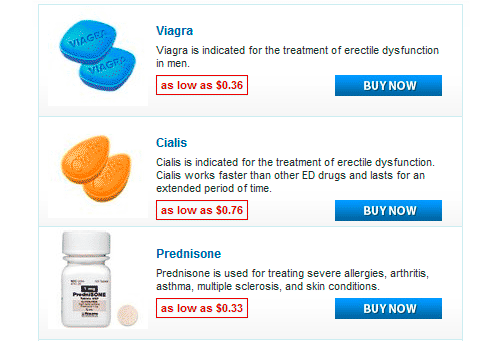
Phosphodiesterase-5 (PDE5) inhibitors, such as sildenafil (Viagra), tadalafil (Cialis), vardenafil (Levitra), and avanafil (Stendra), are common first-line treatments. These medications increase blood flow to the penis, aiding in achieving and maintaining an erection.
Consider your lifestyle choices. Factors like diet, exercise, and stress management significantly impact erectile function. A healthy lifestyle often improves treatment outcomes.
Understand potential side effects. PDE5 inhibitors can cause headaches, flushing, nasal congestion, and visual disturbances. Inform your doctor about any pre-existing conditions or medications you are taking.
Explore alternative treatment options if necessary. Your doctor might suggest other medications, such as alprostadil (Caverject), or suggest lifestyle changes and other therapies to address the underlying cause.
Regular follow-up appointments with your doctor are crucial for monitoring treatment effectiveness and addressing any concerns.
Remember, open communication with your doctor is key to finding the right solution for your individual needs. Don’t hesitate to ask questions and share your concerns.
Understanding Erectile Dysfunction: Causes and Symptoms
Erectile dysfunction (ED) involves consistent difficulty achieving or maintaining an erection firm enough for satisfactory sexual intercourse. Several factors contribute. Underlying medical conditions like diabetes, heart disease, and high blood pressure frequently play a role, impacting blood flow crucial for erections. Hormonal imbalances, particularly low testosterone, also contribute significantly. Lifestyle choices matter: smoking damages blood vessels, hindering blood flow; obesity increases risk through hormonal disruptions; and excessive alcohol consumption negatively affects erectile function.
Psychological Factors
Psychological factors significantly influence ED. Stress, anxiety, and depression commonly disrupt the complex neurological processes governing erections. Relationship issues and performance anxiety further exacerbate the problem. Addressing these psychological factors often requires professional help, like therapy or counseling.
Recognizing the Symptoms
ED symptoms aren’t always clear-cut. They range from infrequent difficulties achieving an erection to consistent inability to attain or maintain one sufficient for intercourse. Reduced libido, or decreased sexual desire, often accompanies ED. Pain during erection or ejaculation warrants medical attention. Seek help if ED impacts your quality of life or relationship.
Choosing the Right ED Medication: Options Explained
Start with a consultation with your doctor to determine the best course of action for your specific needs and health history.
Understanding Your Options
Several medications treat erectile dysfunction (ED). The most common are phosphodiesterase-5 (PDE5) inhibitors. These include:
- Sildenafil (Viagra): Known for its relatively fast onset of action.
- Tadalafil (Cialis): Offers longer-lasting effects, sometimes up to 36 hours.
- Vardenafil (Levitra): Often chosen for its quicker onset than Tadalafil.
- Avanafil (Stendra): Another option with a relatively fast onset of action.
Your doctor will consider factors like your overall health, other medications you’re taking, and any pre-existing conditions to recommend the most suitable option.
Beyond PDE5 Inhibitors
For some men, PDE5 inhibitors may not be suitable or effective. Alternative treatments exist, including:
- Alprostadil: This medication can be injected directly into the penis or administered as a urethral suppository.
- Penile Implants: A more permanent solution involving surgically implanted devices.
- Vacuum Erection Devices: These external devices help achieve an erection.
Discuss these options thoroughly with your healthcare provider to determine if they’re appropriate for your situation.
Lifestyle Changes
Along with medication, lifestyle adjustments often play a crucial role in managing ED. This includes:
- Regular Exercise
- Healthy Diet
- Weight Management
- Stress Reduction Techniques
- Quitting Smoking
Incorporating these changes can significantly improve overall health and potentially enhance erectile function.
Next Steps
Schedule an appointment with your doctor to discuss your ED symptoms and explore treatment options. Open communication is key to finding the right solution for you.
Dosage and Administration: Getting the Best Results
Take one tablet daily, approximately one hour before anticipated sexual activity. Avoid taking more than one tablet in a 24-hour period.
Swallow the tablet whole with a glass of water. Do not crush, chew, or break the tablet.
Food may slightly delay absorption; consider taking the medication on an empty stomach for faster onset.
The effects typically last for up to four hours. Individual responses vary; consult your doctor for personalized advice.
Alcohol consumption may affect the medication’s efficacy; moderate alcohol intake is recommended.
Certain medications can interact; disclose all medications and supplements to your physician before use.
Store the medication in a cool, dry place away from direct sunlight and children.
If you experience any side effects, consult your doctor immediately.
For optimal results, maintain a healthy lifestyle including regular exercise and a balanced diet.
Potential Side Effects and Precautions
Consult your doctor before starting any medication. Headaches and mild nausea are possible. These usually subside.
Some men experience changes in blood pressure. Monitor your pressure regularly, especially if you have pre-existing conditions.
Muscle aches are a less common side effect. Increased fluid intake can help.
Interactions with Other Medications
This medication may interact with nitrates. Avoid concurrent use without medical guidance.
Inform your doctor about all medications you are currently taking, including supplements and over-the-counter drugs.
Specific Precautions
| Condition | Precautions |
|---|---|
| Heart problems | Thorough medical evaluation is necessary before use. |
| Liver or kidney disease | Dosage adjustment may be required. Consult your physician. |
| Eye problems | Report any vision changes immediately. |
Discontinue Use
Stop taking the medication and seek immediate medical attention if you experience chest pain, sudden vision loss, or prolonged erection (lasting more than four hours).
Medication Interactions: What to Avoid
Avoid grapefruit juice. It can significantly increase medication levels in your bloodstream.
Don’t combine this medication with nitrates, often found in heart medications. This combination can cause a dangerous drop in blood pressure.
Check for interactions with blood thinners. Consult your doctor before combining them with this medication to prevent excessive bleeding.
Inform your doctor about all medications, supplements, and herbal remedies you are taking. This allows them to assess potential interactions and adjust your treatment plan as needed.
Be aware of potential interactions with alpha-blockers, commonly prescribed for high blood pressure or enlarged prostate. This combination can lead to low blood pressure.
Alcohol can intensify side effects. Limit your alcohol intake while taking this medication.
Regularly review your medication list with your physician. This proactive approach helps maintain medication safety and efficacy.
Long-Term Use and Management of ED
Maintain open communication with your doctor. Regular check-ups allow for adjustments to medication or treatment plans based on your individual needs and response.
Lifestyle Adjustments for Improved ED Management
Regular exercise improves blood flow, benefiting ED. Aim for at least 150 minutes of moderate-intensity aerobic activity weekly. A balanced diet, rich in fruits, vegetables, and lean protein, supports overall health, impacting ED positively. Manage stress through techniques like meditation or yoga; chronic stress negatively affects erectile function. Limit alcohol consumption, as excessive alcohol can worsen ED symptoms. Quit smoking; smoking damages blood vessels, hindering blood flow.
Consider psychological factors. ED can have emotional roots. Therapy can help address underlying anxieties or relationship issues contributing to ED. Open communication with your partner is crucial for managing the condition together and strengthening your bond.
Medication Adherence and Side Effects
Take medication as prescribed. Consistency is key to achieving optimal results. Report any side effects to your doctor promptly. Many side effects are manageable, and your doctor can suggest adjustments or alternative treatments. Never stop medication abruptly without consulting your doctor.
Improving Your Overall Health: Lifestyle Changes for Better ED Management
Maintain a healthy weight. Excess weight contributes to several health issues, including erectile dysfunction. Aim for a BMI within the healthy range (18.5-24.9). Consider consulting a nutritionist for personalized dietary advice.
Nutrition & Diet
- Increase your intake of fruits and vegetables. Aim for at least five servings daily.
- Limit processed foods, saturated fats, and trans fats. These negatively impact blood flow.
- Incorporate lean protein sources into your diet. Examples include fish, chicken, beans, and lentils.
Exercise regularly. Physical activity improves cardiovascular health, a key factor in erectile function. Aim for at least 150 minutes of moderate-intensity aerobic exercise per week, spread across several days. Consider incorporating strength training twice a week.
Lifestyle Adjustments
- Manage stress effectively. Chronic stress can significantly impact erectile function. Explore stress-reduction techniques such as yoga, meditation, or deep breathing exercises.
- Prioritize sleep. Aim for 7-9 hours of quality sleep per night. Sleep deprivation negatively impacts hormone levels crucial for sexual health.
- Quit smoking. Smoking damages blood vessels, hindering blood flow to the penis.
- Limit alcohol consumption. Excessive alcohol use can impair erectile function.
Seeking Professional Help
Consult your doctor. They can assess your overall health, identify underlying conditions contributing to ED, and recommend appropriate treatment options, including medication if necessary. Regular checkups are crucial for maintaining good health.
Additional Tips
- Stay hydrated. Drink plenty of water throughout the day.
- Manage chronic conditions like diabetes and hypertension. These conditions often contribute to ED. Closely follow your doctor’s treatment plan.
Finding a Doctor: Getting the Professional Help You Need
Start with your insurance provider’s online directory. Many offer searchable databases to find doctors specializing in men’s health within your network.
Using Online Resources
Consider using reputable online doctor finders like those offered by the American Urological Association or your country’s equivalent professional medical organization. Filter by specialty (urology) and location for precise results. Check doctor profiles for board certifications, experience, and patient reviews.
Scheduling Your Appointment
Once you’ve identified a few potential doctors, review their websites for appointment scheduling options. Many offer online booking, saving you time and effort. If not, call their offices directly. Be prepared to provide your insurance information and briefly describe your concerns. Don’t hesitate to ask about their experience treating ED and any specific treatment methods they use.
Preparing for Your Visit
Before your appointment, compile a list of questions. Ask about available treatments, potential side effects, and the doctor’s approach to managing ED. Bringing a list ensures you address all your concerns and receive the information you need. Remember to be open and honest with your doctor.
Choosing the Right Doctor
Consider doctor availability, location, and communication style. A good doctor-patient relationship is key to successful treatment. If you feel comfortable and confident in your doctor’s expertise, you’re more likely to adhere to the treatment plan and achieve the best results. Don’t be afraid to seek a second opinion if needed.
Finding Support Groups
Many men benefit from support groups. These groups offer a safe space to discuss concerns, share experiences, and learn coping strategies. Online forums and local organizations often provide resources for finding suitable support groups.