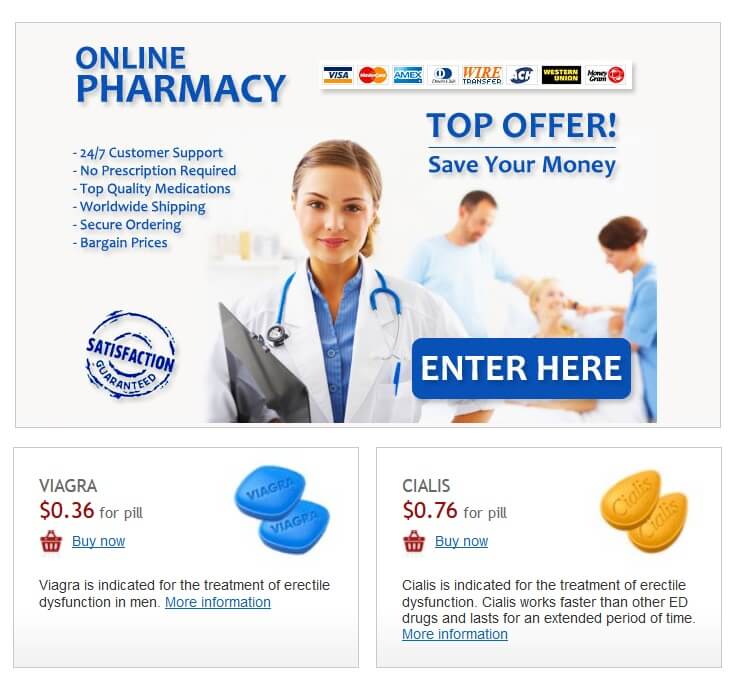
Check pharmacy licensing: Verify state registration and legitimacy before ordering. A simple online search often reveals crucial details.
Suspicious pricing? Extremely low prices usually indicate counterfeit medications. Compare prices across reputable sources.
Look for secure payment gateways: HTTPS is non-negotiable. Your personal and financial data deserve robust protection. Avoid sites lacking secure payment processing.
Missing contact information: A lack of a physical address and contact phone number is a significant warning sign.
User reviews are invaluable: Scan reviews from various sources; consistent negative feedback is a red flag. Consider platforms beyond the pharmacy’s own site.
Prioritize your health: Using unreliable pharmacies risks your well-being. Opt for trusted, verified online pharmacies to ensure medication safety and efficacy.
- Online Pharmacies to Avoid: A Comprehensive Guide
- Identifying Risky Websites
- Protecting Yourself
- Common Red Flags
- Identifying Red Flags of Rogue Online Pharmacies
- Risks of Purchasing Medications from Unverified Sources
- Potential Health Consequences
- How to Verify the Legitimacy of Online Pharmacies
- Legal Ramifications of Using Illegal Online Pharmacies
- Protecting Your Personal Information When Buying Medicine Online
- Secure Payment Methods
- Website Security
- Data Privacy Policy
- Avoid Suspicious Sites
- Strong Passwords & Two-Factor Authentication
- Contact Information
- Prescription Information
- Monitor Your Accounts
- Report Suspicious Activity
- Use a VPN
- Check Reviews
- Recommended Resources for Safe Online Pharmacy Practices
Online Pharmacies to Avoid: A Comprehensive Guide
Check online pharmacy reviews on independent sites like Trustpilot and Reddit. Many user reviews expose unreliable operations.
Identifying Risky Websites
Scrutinize website design. Avoid sites with poor grammar, broken links, or generic contact information. Legitimate pharmacies invest in professional websites.
Verify licensing and accreditation. Look for verifiable licenses and accreditations from recognized regulatory bodies. Independent verification is key.
Inspect the security features. Secure sites use HTTPS, indicated by a padlock icon in the browser address bar. A lack of HTTPS suggests a lack of data protection.
Examine their pricing. Prices significantly lower than average may signal counterfeit or substandard drugs. Be wary of unrealistically cheap offers.
Protecting Yourself
Consult your doctor or pharmacist before ordering medication online. They can guide you to safe and reliable sources.
Use only reputable payment methods. Avoid using wire transfers or prepaid debit cards, as these are difficult to trace if fraudulent activity occurs.
Report suspicious pharmacies. If you encounter a suspicious online pharmacy, report it to the relevant authorities.
Common Red Flags
Missing physical address: A lack of a clear physical address is a major red flag. Legitimate pharmacies are transparent about their location.
Unsolicited emails: Beware of unsolicited emails promoting online pharmacies. These are frequently scams.
Unrealistic claims: Be suspicious of pharmacies making exaggerated promises about their products or services.
Identifying Red Flags of Rogue Online Pharmacies
Check the pharmacy’s license and registration. Legitimate online pharmacies display their license information prominently. Verify this information with your state’s board of pharmacy or a similar regulatory body.
Scrutinize the website’s security. Look for “https” in the URL and a padlock icon in the address bar. These indicate a secure connection protecting your personal data.
Examine the contact information. Avoid pharmacies lacking a physical address, phone number, and email address. Contact them; genuine pharmacies readily provide contact details.
Review online reviews and ratings. Independent, unbiased reviews from multiple sources offer a clearer picture of customer experiences. Be wary of sites with overwhelmingly positive reviews or a lack of negative feedback.
| Red Flag | Explanation |
|---|---|
| Unusually low prices | Substantially cheaper medications may indicate counterfeit or substandard drugs. |
| Pressure to buy | Legitimate pharmacies don’t aggressively push sales. |
| Lack of prescription requirements | Prescription drugs require a valid prescription from a licensed medical professional. |
| Poor website design and grammar | Professional pharmacies maintain well-designed, error-free websites. |
| Missing or vague privacy policy | A transparent privacy policy protects your information. |
Always consult your doctor or pharmacist before ordering medication online. They can provide guidance and ensure the medication’s safety and authenticity.
Risks of Purchasing Medications from Unverified Sources
Avoid counterfeit drugs. Counterfeit medications lack quality control, potentially containing incorrect dosages, harmful ingredients, or no active pharmaceutical ingredients at all. This poses serious health risks, including allergic reactions, treatment failure, and organ damage.
Potential Health Consequences
Incorrect dosages can lead to treatment inefficacy or overdose, causing severe side effects. Harmful additives can trigger unexpected and dangerous reactions. The lack of quality control leaves you vulnerable to serious health complications.
Privacy concerns exist. Unverified online pharmacies often lack robust data security measures, increasing your risk of identity theft and misuse of personal information. Secure your health data by choosing reputable sources.
Legal ramifications may occur. Purchasing unapproved medications could expose you to legal penalties. Always verify a pharmacy’s legitimacy and adherence to regulations.
Financial loss is common. You may receive substandard products, or lose money entirely through fraudulent transactions. Verify payment and return policies before purchasing.
Always consult your doctor or pharmacist. They can provide guidance on safe medication sourcing and treatment options, ensuring your safety and well-being.
How to Verify the Legitimacy of Online Pharmacies
Check for a valid license and registration. Look for a physical address and contact information readily available on the website. Legitimate pharmacies will display this prominently.
- Verify the pharmacy’s license with your state’s board of pharmacy or a similar regulatory body.
- Look for a legitimate business address – avoid PO boxes.
- Ensure their contact information (phone number, email address) works and connects to a real person.
Scrutinize their security practices. Secure online pharmacies prioritize your data protection.
- Look for HTTPS in the website address (the padlock icon in your browser).
- Read their privacy policy; it should clearly explain how they handle personal and health information.
- Check for third-party security certifications like McAfee Secure or VeriSign.
Review online reviews and testimonials. Independent feedback offers valuable insight.
- Search for reviews on sites like Trustpilot or Google Reviews.
- Be wary of overwhelmingly positive reviews; a few negative comments are normal and may indicate authenticity.
- Consider the volume and recency of reviews. A lack of recent reviews might raise concerns.
Confirm their accreditation. Accredited online pharmacies adhere to specific standards.
- Check for accreditation from organizations like the Verified Internet Pharmacy Practice Sites (VIPPS).
- Look for seals and badges indicating their compliance with relevant standards.
Compare prices cautiously. While low prices can be tempting, be wary of unusually low offers, as they might signify counterfeit medication.
If something feels amiss – hesitate. Trust your gut feeling. Proceed with caution if anything seems suspicious.
Legal Ramifications of Using Illegal Online Pharmacies
Avoid prosecution: Purchase medications only from licensed pharmacies. Illegal online pharmacies often sell counterfeit or substandard drugs, leading to serious health consequences. This illegal activity carries significant legal risks.
Federal Penalties: The U.S. Food and Drug Administration (FDA) actively investigates illegal online pharmacies. Penalties include hefty fines and imprisonment. The severity depends on the quantity and type of drugs involved.
State Laws Vary: Individual states also enforce laws against importing drugs illegally. These laws can vary considerably; consult a legal professional for state-specific information. Ignoring state and federal regulations places you at risk.
Drug Counterfeiting: Purchasing counterfeit drugs is incredibly dangerous. These drugs may contain incorrect dosages, harmful contaminants, or no active ingredients. This risks serious health issues and potential legal repercussions.
Protect Yourself: Verify the legitimacy of any online pharmacy before making a purchase. Check the pharmacy’s license and accreditation status. Legitimate pharmacies readily provide this information.
Seek Help: If you’re struggling to afford prescription medication, explore options like patient assistance programs or manufacturer coupons. There are resources available to help access affordable medication legally.
Protecting Your Personal Information When Buying Medicine Online
Always verify the pharmacy’s license and accreditation before making a purchase. Look for seals from reputable organizations like LegitScript or the National Association of Boards of Pharmacy (NABP).
Secure Payment Methods
Use secure payment gateways like PayPal or credit cards with robust fraud protection. Avoid sending payments via wire transfer or cash.
Website Security
- Check for “https” in the website address. The “s” indicates a secure connection.
- Look for a padlock icon in the address bar. This also signals a secure connection.
Data Privacy Policy
Carefully review the pharmacy’s privacy policy. Understand how they collect, use, and protect your personal data. Look for explicit statements about data encryption and security measures.
Avoid Suspicious Sites
- Be wary of pharmacies with poor grammar or design.
- Avoid sites offering unrealistically low prices.
- Don’t trust pharmacies soliciting personal information via unsolicited emails or messages.
Strong Passwords & Two-Factor Authentication
Create strong, unique passwords for online pharmacy accounts. Enable two-factor authentication (2FA) whenever available for added security.
Contact Information
Ensure the pharmacy provides clear contact information, including a physical address and phone number, not just an email address.
Prescription Information
Never share your prescription details with anyone unless you’re directly interacting with your doctor or a verified online pharmacy.
Monitor Your Accounts
Regularly review your bank and credit card statements to detect any unauthorized charges.
Report Suspicious Activity
If you suspect fraudulent activity, report it immediately to the pharmacy, your bank, and the relevant authorities.
Use a VPN
Consider using a reputable Virtual Private Network (VPN) to encrypt your internet traffic and mask your IP address, enhancing privacy when purchasing medicine online.
Check Reviews
Read independent reviews from other customers before using a new online pharmacy. Look for comments about their security practices.
Recommended Resources for Safe Online Pharmacy Practices
Check the NABP Verified Internet Pharmacy Practice Sites list: This National Association of Boards of Pharmacy database verifies licensed online pharmacies. Use this resource to confirm legitimacy before ordering.
Consult your doctor or pharmacist: Discuss your medication needs and get their recommendation before ordering online. They can help you identify reputable sources and potential drug interactions.
Verify website security: Look for “https” in the URL and a padlock icon in your browser’s address bar. This indicates a secure connection, protecting your personal information.
Read online reviews carefully: Scrutinize multiple review platforms, focusing on comments about delivery times, order accuracy, and customer service. Be wary of overwhelmingly positive reviews; they might be fake.
Review the pharmacy’s privacy policy: Understand how your data will be handled before providing personal information. Look for details on data security and compliance with relevant regulations like HIPAA.
Contact the pharmacy directly: Reach out with questions before placing an order. Test their responsiveness and clarity in answering your inquiries. A lack of response or evasiveness should raise concerns.
Use a credit card for payment: Credit cards provide greater consumer protection in case of fraudulent charges compared to other payment methods.
Report suspicious pharmacies: If you encounter a questionable online pharmacy, report it to the NABP or your local authorities. Your report could help protect others.