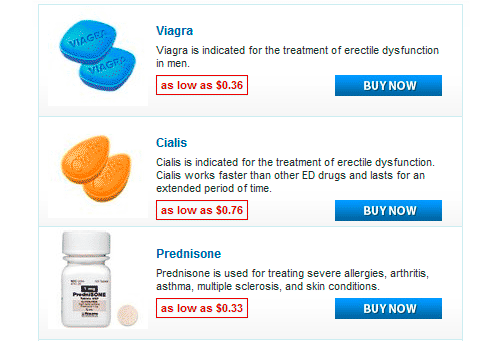

Experience renewed vitality. Our new formula, scientifically formulated with Tadalafil, offers significantly improved blood flow for enhanced performance. Feel the difference.
Choose from three convenient options: Daily, as-needed, or a customized plan tailored to your individual needs. Schedule a free consultation with one of our specialists to determine the best approach for you.
Discreet shipping and secure online ordering ensure your privacy is protected. Start your journey towards a more fulfilling life today. Click here to learn more and place your order.
- New Drugs for Erectile Dysfunction
- Understanding and Choosing the Right ED Medication
- Comparing Treatment Options: Effectiveness and Side Effects
- Addressing Common Concerns and Finding the Best Fit for You
- Medication Options and Side Effects
- Lifestyle Changes and Complementary Approaches
- Navigating the Process: Doctor Consultation and Prescription
- Preparing for Your Appointment
New Drugs for Erectile Dysfunction
Consider consulting a doctor to discuss treatment options like Tadalafil or Sildenafil. These medications work differently but share a common goal: improving blood flow to the penis.
- Tadalafil (Cialis): Offers longer-lasting effects, potentially up to 36 hours. Discuss potential side effects, including headache and back pain, with your physician.
- Sildenafil (Viagra): Known for its faster onset of action, usually within 30-60 minutes. Your doctor can help determine the appropriate dosage based on your individual needs and health profile.
Lifestyle changes can significantly impact erectile function. Prioritize these:
- Regular exercise: Aim for at least 30 minutes of moderate-intensity exercise most days of the week.
- Healthy diet: Focus on fruits, vegetables, and lean proteins. Limit processed foods, saturated fats, and excessive alcohol consumption.
- Stress management: Incorporate relaxation techniques like yoga or meditation into your routine.
- Weight management: Maintaining a healthy weight can improve overall health and sexual function.
Beyond medication and lifestyle adjustments, some men find that penile implants or vacuum erection devices provide effective solutions. These options should be explored in consultation with a urologist or sexual health specialist.
Remember, open communication with your doctor is key. They can accurately assess your condition, rule out underlying health issues, and recommend the best course of treatment tailored to your specific situation.
Understanding and Choosing the Right ED Medication
Consult your doctor. They’ll assess your overall health and determine the best treatment option for you, considering any existing conditions or medications you’re taking.
Discuss different medication types. Phosphodiesterase-5 (PDE5) inhibitors like sildenafil (Viagra), tadalafil (Cialis), vardenafil (Levitra), and avanafil (Stendra) are common choices. Each has a unique duration of action and potential side effects. Your doctor will help you weigh the pros and cons.
Understand potential side effects. Common side effects include headache, flushing, nasal congestion, and upset stomach. Rarely, more serious side effects can occur. Open communication with your doctor is key to managing any issues.
Consider your lifestyle. Factors like smoking, alcohol consumption, and diet can influence ED medication effectiveness. Adopting a healthier lifestyle can improve results.
Explore alternative treatments. If medication isn’t suitable, other options exist, including lifestyle changes, psychological counseling, or penile injections. Your doctor can advise you on these alternatives.
Follow your doctor’s instructions carefully. Take medication as prescribed and report any unexpected side effects immediately. Regular check-ups are vital for monitoring treatment progress.
Be patient. Finding the right medication and dosage may take time. Don’t hesitate to discuss any concerns or adjustments needed with your healthcare provider.
Comparing Treatment Options: Effectiveness and Side Effects
PDE5 inhibitors like Viagra, Cialis, and Levitra show high success rates for many men, achieving erections suitable for intercourse. However, side effects can include headaches, flushing, and nasal congestion. These are generally mild and temporary.
Alprostadil, available as injections or urethral suppositories, offers another route. It directly relaxes penile blood vessels. While generally effective, side effects such as pain, bruising, and prolonged erection (priapism) require careful monitoring.
Penile implants provide a long-term solution for some. Success rates are very high, but involve a surgical procedure with associated risks and recovery time. Side effects are less common but may include infection or mechanical issues.
Vacuum erection devices (VEDs) are non-invasive and can be effective, though they require manual operation and may cause discomfort or bruising in some users.
Lifestyle changes such as weight management, exercise, and stress reduction can significantly improve erectile function for many men. These methods are naturally side-effect-free but may require more time and commitment.
A doctor can help assess your individual needs and medical history to determine the most suitable treatment option for you. Discuss potential benefits and drawbacks of each to make an informed decision.
Addressing Common Concerns and Finding the Best Fit for You
Start by discussing your concerns openly with your doctor. They can assess your overall health and determine the most appropriate treatment option.
Medication Options and Side Effects
Several medications treat erectile dysfunction, each with its own set of potential side effects. For example, Viagra (sildenafil) may cause headaches or flushing, while Cialis (tadalafil) can lead to back pain or muscle aches. Your doctor will help you weigh the benefits against the potential risks, considering your medical history and other medications you take. Open communication is key to managing any side effects.
Lifestyle Changes and Complementary Approaches
Consider lifestyle modifications alongside medication. Regular exercise, a balanced diet, and stress management techniques can significantly improve erectile function. Some men find that acupuncture or other complementary therapies offer additional support. Discuss these options with your doctor to ensure they’re safe and appropriate for you.
Remember, finding the right treatment is a collaborative process. Don’t hesitate to ask questions and work closely with your healthcare provider to achieve the best results. Your doctor can guide you toward a solution that suits your individual needs and preferences.
Navigating the Process: Doctor Consultation and Prescription
Schedule a consultation with your doctor or a qualified urologist. Discuss your symptoms and medical history openly and honestly. This allows your doctor to accurately assess your condition and rule out any underlying health issues.
Preparing for Your Appointment
Before your appointment, compile a list of questions. Ask about potential side effects, drug interactions with other medications you take, and lifestyle modifications that may improve your condition. Also, bring a complete list of your current medications.
Your doctor will conduct a physical exam and may order blood tests to further evaluate your overall health. They will explain available treatment options and help you choose the best approach for your individual needs. Remember, open communication is key to successful treatment.
Following a successful consultation, your doctor will write a prescription. Follow the instructions on the prescription label carefully. Maintain regular follow-up appointments to monitor your progress and make any necessary adjustments to your treatment plan. Don’t hesitate to contact your doctor if you experience any unexpected side effects or have concerns.